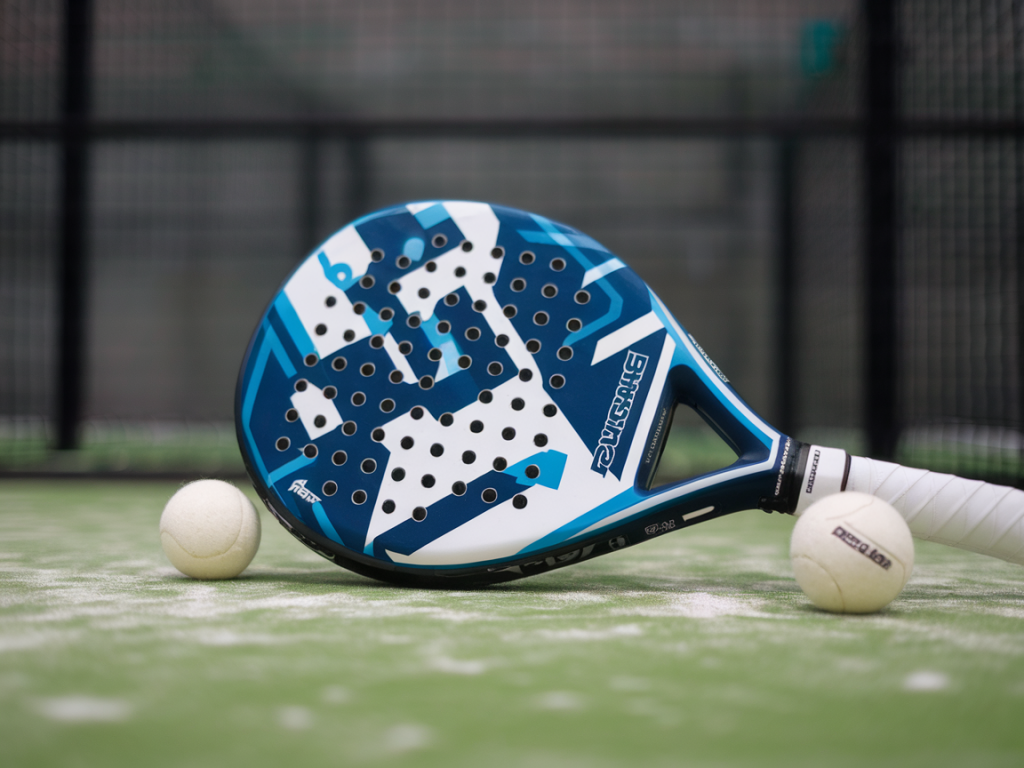
I often approach equipment decisions the way I evaluate an investment: weighing risk, expected return, and fit with my objectives. Selecting a padel racket is exactly the same kind of trade-off. Over the years I've test-driven many models from Bullpadel, Nox, Head, Adidas, Wilson, Siux, and Babolat, and I use that hands-on experience combined with a data-minded approach to help you choose the racket that will give you the best performance per euro spent.
Why the padel racket matters more than you think
The racket isn't just a tool—it shapes your style. A racket determines power, control, maneuverability, and injury risk through weight, balance, shape, and surface composition. Just as you wouldn't buy a financial product without understanding its fee structure and volatility, you shouldn't buy a padel racket without considering how its technical specs align with how you move and what you want to achieve on court.
Key technical parameters I check
When I compare rackets, I run through a mental checklist. These are the metrics that consistently predict whether a racket will suit a player:
How I match racket types to player profiles
I've found it useful to segment players similarly to client risk profiles in finance: conservative (defensive), balanced, and aggressive. Here’s how I recommend mapping these to racket choices:
Brands and what they bring to the table
Not all brands are created equal, and each has product lines that appeal to different priorities. When evaluating a brand, I consider product innovation cycles, material quality, and after-sales policies—similar to how I assess asset managers.
- Bullpadel: Known for comfortable cores and player-focused ergonomics. Good options across all levels; strong presence on the World Padel Tour.
- Nox: Offers precise control-oriented rackets and a wide range suitable for club players and pros.
- Head: Strong engineering background, consistent innovation with carbon technologies; balanced models for intermediate/advanced players.
- Adidas: Emphasizes design and comfort, often producing easy-to-use rackets with a modern feel.
- Wilson: Reliable, performance-oriented choices with good playability and durability.
- Siux & Babolat: High-performance options favored by players seeking power and advanced materials.
Practical buying advice I always give
From a shopping and portfolio-construction perspective, here are rules I follow and recommend:
How Bandeja Shop improves the buying decision
Bandeja Shop is more than a catalogue; it functions like a well-managed brokerage for padel gear. Their curated selection simplifies comparison across brands and specifications, while the team’s expertise offers tailored recommendations. The site’s Webzine and buying guides provide the kind of product research I appreciate when making investment decisions—transparent, evidence-based, and actionable.
Returns and customer experience — what I check before buying
Return policies are the safety net of any online purchase. I treat them like a contract clause that reduces downside risk. Bandeja Shop’s 30-day “satisfied or your money back” policy is aligned with best practice: it lets you trial a racket in match-like conditions and return it if it doesn’t meet expectations. Points I verify before ordering:
Comparative specs table I use to shortlist rackets
| Spec | Control-focused | All-round | Power-focused |
|---|---|---|---|
| Shape | Round | Teardrop | Diamond |
| Weight (g) | 345–360 | 355–370 | 360–385 |
| Balance | Head-light | Neutral | Head-heavy |
| Core | Soft | Medium | Firm |
| Best for | Beginners/defense | Club/intermediate | Advanced/aggressive |
Membership and pricing considerations
For frequent players I evaluate whether loyalty programs improve unit economics. The E-Club Bandeja, offering up to 20% off and early access, functions like a subscription that lowers marginal cost per racket and accessories. If you play weekly and replace grips or shoes periodically, the math often favors joining: small recurring savings accumulate quickly.
Final practical checklist before purchase
Choosing the right padel racket is a deliberate process—part technical evaluation, part personal fit. If you approach it like any other important purchase, you minimize regret and maximize on-court performance.